Best Rocky Mountain National Park Guide: Tips & Trails
Introduction
Planning your dream getaway to rocky mountain national park often feels overwhelming when you do not know where to start. Endless mountain peaks, winding alpine roads, and strict reservation rules leave many travelers stressed before they even pack their bags. You deserve a smooth, unforgettable journey into the heart of the Rocky Mountains. This ultimate guide breaks down everything you need to conquer the trails, spot wild creatures safely, and experience breathtaking views effortlessly.
What Makes Rocky Mountain National Park World-Famous?
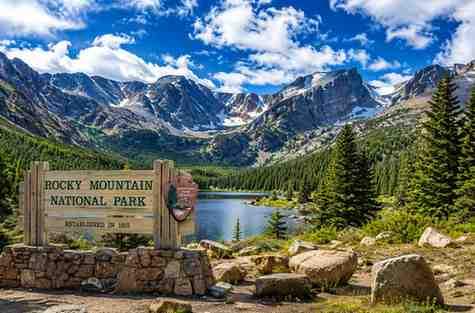
Established in 1915, rocky mountain national park protects over 415 square miles of spectacular mountain environments. Towering peaks exceed 12,000 feet, creating dramatic landscapes that captivate millions of visitors annually.
- Elevation Extremes: Ranging from 7,860 feet to 14,259 feet at Longs Peak.
- Ecosystem Diversity: Spanning lush montane forests, subalpine zones, and fragile alpine tundra.
- Glacial History: Carved by ancient glaciers that left behind crystal-clear alpine lakes and dramatic valleys.
How to Navigate Park Reservations and Timed Entry Permits
Visiting rocky mountain national park requires careful planning due to popular timed-entry permit systems designed to protect delicate natural habitats and reduce traffic congestion.
- Timed Entry Plus: Covers the entire park including Bear Lake Road corridor during peak summer hours.
- Standard Timed Entry: Covers the rest of the park excluding the Bear Lake corridor.
- Pro Tip: Secure your permits months in advance through recreation.gov or look into early morning entries before permits take effect at 9:00 AM.
What Are the Best Scenic Drives in Rocky Mountain National Park?
Driving through rocky mountain national park offers jaw-dropping vistas without requiring an intense physical hike. These paved roadways carry you across the roof of the continent safely.
Trail Ridge Road
As the highest continuous paved road in the United States, Trail Ridge Road climbs to an astounding 12,183 feet. You will experience driving above the tree line where trees cannot survive due to harsh winds and freezing temperatures.
Old Fall River Road
This historic, one-way gravel road takes you back in time with steep switchbacks and close-up waterfall views. It is ideal for slower-paced, immersive sightseeing during the summer months.
Which Hiking Trails Offer the Most Rewarding Views?
Lace up your hiking boots to explore hundreds of miles of pristine footpaths winding through rocky mountain national park.
- Bear Lake Loop: An easy, accessible 0.7-mile trail featuring glassy water reflections and dramatic peak backdrops.
- Emerald Lake Trail: A moderate 3.6-mile trek passing Nymph Lake and Dream Lake before reaching a stunning alpine basin.
- Longs Peak Trail: A strenuous 14.5-mile journey meant strictly for experienced mountaineers aiming to summit a 14er.
Where and When Can You See Wildlife in the Park?
Encountering wildlife stands out as a highlight for anyone visiting rocky mountain national park. Elk, mule deer, bighorn sheep, and black bears call these protected lands home.
Wildlife Safety Note: Always maintain a distance of at least 75 feet from elk and bighorn sheep, and 120 feet from bears and moose. Use a telephoto camera lens for close-up photographs.
- Best Time for Elk Viewing: The autumn rut (September to mid-October) brings dramatic bugling sounds in Horseshoe Park and Moraine Park.
- Best Time for Bighorn Sheep: Spot them year-round grazing near Sheep Lakes along Fall River Road.
What Is Special About the Alpine Tundra Ecosystem?
One-third of rocky mountain national park sits above the tree line in an alpine tundra environment that resembles Arctic latitudes. Plants here grow extremely low to the ground and take decades to mature.
- Fragile Flora: Delicate wildflowers like alpine forget-me-nots bloom briefly during July and August.
- Strict Preservation: Step only on rocks or designated trails to protect plants that take centuries to recover from human footprints.
How Does Weather Impact Your Visit to the Rockies?
Mountain weather shifts drastically within minutes, making preparation essential for a safe trip to rocky mountain national park. Sunny morning skies frequently transform into violent afternoon thunderstorms during the summer.
- Summer Afternoons: Pack a waterproof rain jacket and emergency layers because afternoon lightning strikes pose serious hazards above the tree line.
- Winter Conditions: Snow blankets the park from October through May, requiring traction devices or snowshoes for trail exploration.
What Are the Best Gateway Towns for Lodging and Dining?
Choosing the right basecamp enhances your vacation experience near rocky mountain national park. Estes Park sits on the eastern entrance, offering abundant lodging, restaurants, and shops. Grand Lake guards the quieter western entrance, providing a peaceful, rustic mountain village atmosphere.
Which Essential Gear Do You Need for Your Adventure?
Packing correctly ensures comfort and safety throughout your exploration of rocky mountain national park. High elevation demands extra hydration and sun protection.
- Layered Clothing: Temperatures drop rapidly as you gain elevation; always pack fleece and windbreakers.
- Sun Protection: UV rays are much stronger at high altitudes; bring high-SPF sunscreen and polarized sunglasses.
- Hydration Systems: Carry at least two liters of water per person to prevent altitude sickness.
Plan Your Visit: Quick Comparison Table
| Feature | Details | Best Time to Visit |
|---|---|---|
| Trail Ridge Road | Highest paved road in the U.S. (12,183 ft) | July – September |
| Bear Lake | Most popular scenic lake and trailhead | Year-round (Early morning best) |
| Moraine Park | Prime location for elk viewing and photography | September – October (Autumn Rut) |
| Longs Peak | Challenging 14,259 ft summit hike for pros | July – August (Snow-free window) |
Frequently Asked Questions
Do I need a reservation to enter Rocky Mountain National Park?
Yes, the park utilizes a timed-entry permit system during peak seasons (typically May through October) to manage crowds and protect natural resources.
When is the best time of year to visit Rocky Mountain National Park?
July through August offers fully open roads and snow-free trails, while September brings gorgeous fall foliage and active elk bugling.
Can I drive to the top of the Continental Divide?
Yes, Trail Ridge Road takes you across the Continental Divide, reaching a maximum elevation of 12,183 feet with multiple scenic overlooks.
Are dogs allowed on hiking trails in the park?
No, pets are strictly prohibited on all dirt hiking trails and tundra areas to protect wildlife and native vegetation; they are only allowed on paved roads and designated picnic areas.
How do I prevent altitude sickness in the park?
Drink plenty of water, limit strenuous activity during your first 24 hours at high elevation, and eat carbohydrate-rich meals.
Is Rocky Mountain National Park open year-round?
Yes, the park stays open 24 hours a day, 365 days a year, though high-elevation roads like Trail Ridge Road close for the winter season.
Conclusion
Your journey into rocky mountain national park promises unforgettable memories, towering peaks, and encounters with wild nature at its finest. By securing your permits early, respecting fragile alpine ecosystems, and packing proper layers, you set yourself up for an epic adventure. Grab your hiking boots, respect the wildlife, and start exploring the roof of America today!