Clarifying Shampoo: What It Does, How to Use It, and Who Needs It
One wash can transform hair that feels greasy, dull, heavy, or strangely coated into hair that feels lighter and cleaner. That is the main reason clarifying shampoo has become a major talking point in beauty videos, salon discussions, and hair-care routines in 2026.
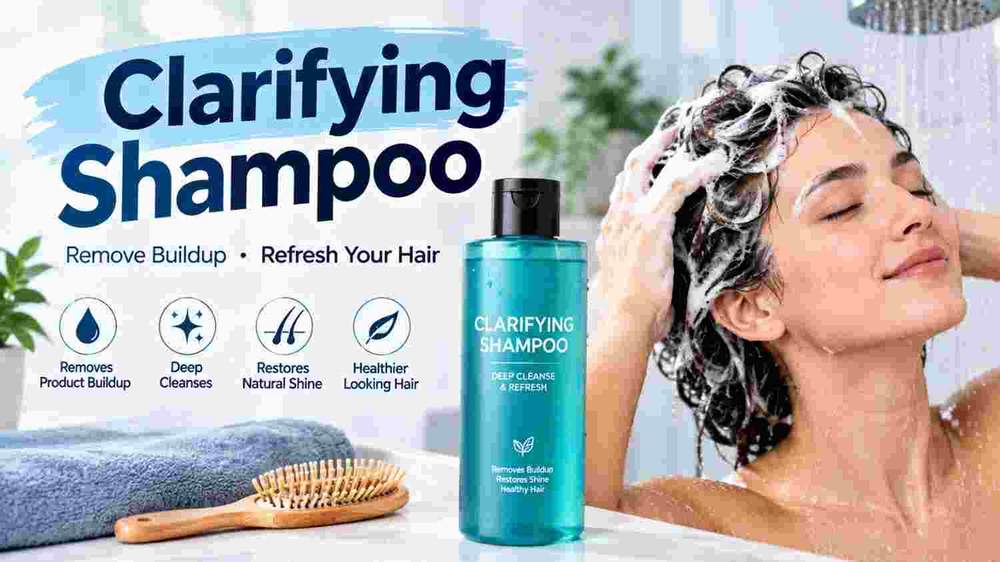
Unlike a regular shampoo, clarifying shampoo is designed to remove stubborn buildup from styling products, dry shampoo, hard water, sweat, oil, chlorine, and silicone-heavy formulas. Used correctly, it can refresh the scalp and help conditioners, masks, and styling products work more effectively.
The catch is that this cleanser is stronger than an everyday shampoo. Using it too often may leave the hair dry, rough, frizzy, or irritated, especially if your strands are curly, color-treated, bleached, or naturally fragile.
This complete guide explains what clarifying shampoo means, how it works, how often to use it, which hair types benefit most, what mistakes to avoid, and how to build a safe wash-day routine.
What Is Clarifying Shampoo?
Clarifying shampoo is a deep-cleansing hair product made to remove residue that ordinary shampoo may leave behind. That residue can come from hairspray, gel, mousse, wax, oils, dry shampoo, leave-in conditioner, mineral deposits, sweat, and pollution.
Regular shampoos are usually formulated for routine cleansing. They remove everyday dirt and oil while trying to preserve the hair’s softness and moisture balance. A clarifying formula is more focused on cutting through layers of buildup.
Many formulas contain stronger cleansing agents, chelating ingredients, fruit acids, or plant-based cleansers. Chelating ingredients are especially useful for people who wash with hard water or swim regularly because they can help lift mineral and chlorine deposits.
The best clarifying shampoo should leave the hair feeling clean without making the scalp painfully tight. A squeaky feeling is not always proof that the product is working well. In some cases, it means too much natural oil has been removed.
Why Clarifying Shampoo Is Trending in 2026
Hair-care trends now focus heavily on scalp health, product buildup, minimalist routines, and “reset” wash days. Social platforms have also made people more aware of why hair sometimes looks dull even after washing.
Many users apply several products each week, including heat protectant, styling cream, mousse, dry shampoo, hair oil, edge control, and leave-in conditioner. These products can be useful individually, but layers may accumulate over time.
Hard water is another reason this category is gaining attention. Water containing calcium, magnesium, iron, or other minerals can leave hair feeling stiff, coated, dry, or difficult to style. In that situation, a regular shampoo may not fully remove the deposits.
A carefully chosen clarifying shampoo can act as an occasional reset. It is not a miracle cure for every hair issue, but it can be valuable when the problem is buildup rather than permanent damage.
Quick Hair-Care Information Table
Because this is a product and hair-care topic rather than a single celebrity profile, social figures and popularity drivers relate to the wider beauty trend.
| Category | Current Information |
|---|---|
| Instagram handle and followers | No single official account; beauty creators and salon educators drive most discussion |
| TikTok and X handles | Search terms such as “clarifying wash day” and “hair buildup” are commonly used |
| Career peak or net worth | Not applicable; this is a hair-care product category |
| Key popularity driver | Scalp-care content, hard-water concerns, viral wash-day routines, and product buildup education |
What Does Clarifying Shampoo Do?
The main job of clarifying shampoo is to remove residue that ordinary cleansing may not fully shift. That includes both visible and invisible buildup.
1. Removes styling product residue
Hairspray, gel, pomade, wax, mousse, and styling creams can form a film around the hair shaft. Over time, that film can make strands feel sticky, heavy, or difficult to shape.
2. Helps reduce excess oil
People with oily scalps may notice that their roots look greasy soon after washing. Occasional deep cleansing can help remove oil and product layers, although it does not permanently change how much oil the scalp produces.
3. Lifts dry-shampoo buildup
Dry shampoo absorbs oil but does not truly wash the scalp. Repeated use without a proper cleansing day may lead to powdery residue, itching, or dull roots.
4. Removes chlorine and pool residue
Swimmers may benefit from a formula designed to target chlorine and minerals. Chlorine can leave the hair rough, dry, tangled, and more difficult to comb.
5. Prepares hair for conditioning treatments
When buildup covers the hair, a mask or conditioner may not spread evenly. A properly timed cleansing wash can help treatment products make better contact with the strands.
Who Should Use Clarifying Shampoo?
The right frequency depends on the scalp, hair texture, lifestyle, and amount of product used. There is no universal schedule that suits everyone.
People with oily scalps
If your roots become greasy quickly, an occasional deep-cleaning wash may help remove excess sebum and residue. It should support—not replace—a regular washing routine.
People who use many styling products
If you regularly use edge gel, wax, hairspray, mousse, serum, or dry shampoo, buildup is more likely. A reset wash every few weeks may be useful.
Swimmers
Chlorine and minerals can cling to hair. Swimmers should consider a product specifically labeled for chlorine or mineral removal, followed by a moisturizing conditioner.
People living in hard-water areas
Hard water can create a coating that makes hair feel dry and lifeless. A chelating formula may be more effective than a basic deep cleanser for this concern.
People with fine hair
Fine hair becomes weighed down easily. A carefully used cleanser can help restore movement and volume, especially when heavy products are part of the routine.
Who Should Be Careful?
People with dry, curly, coily, bleached, chemically treated, or highly porous hair should use extra caution. These hair types may lose moisture more quickly when washed with strong cleansers.
If your scalp is irritated, scratched, sunburned, or affected by eczema or another condition, avoid applying a strong cleanser until the skin has recovered or a medical professional has advised you.
Color-treated hair also needs attention. Some formulas may fade vivid shades or make freshly colored hair look less vibrant. Always check the label and, when possible, choose a color-safe option.
How to Use Clarifying Shampoo: Step-by-Step Guide
Using clarifying shampoo correctly is simple, but technique makes a noticeable difference.
Step 1: Brush or detangle before washing
Gently remove knots before getting into the shower. This helps water reach the hair more evenly and reduces pulling during the wash.
Step 2: Saturate the hair completely
Use lukewarm water and soak the hair from roots to ends. Dry areas may prevent the cleanser from spreading evenly.
Step 3: Apply a small amount to the scalp
Start with a coin-sized amount, adjusting for hair length and density. Focus on the scalp and roots rather than rubbing the ends aggressively.
Step 4: Massage with your fingertips
Instead of using your nails, use the pads of your fingers.Massage for around 30 to 60 seconds, giving attention to the hairline, crown, behind the ears, and nape.
Step 5: Let the rinse carry the product through the lengths
Unless the label instructs otherwise, do not scrub the ends repeatedly. The diluted product moving through the hair is often enough to cleanse them.
Step 6: Rinse thoroughly
Keep rinsing until the water runs clear and the hair no longer feels slippery with cleanser. Product left behind can contribute to more residue.
Step 7: Follow with conditioner
Never skip conditioner after a deep-cleansing wash if your hair feels dry or tangles easily. Apply it mainly from the middle of the hair to the ends.
Step 8: Add a mask when needed
A moisturizing or strengthening mask can be helpful after a reset wash, especially for curly, textured, bleached, or heat-styled hair.
How Often Should You Use It?
Most people should use clarifying shampoo once every two to four weeks. Someone with heavy product use, an oily scalp, or frequent swimming may need it more often, but weekly use should be approached carefully.
Dry or curly hair may need a reset only once every four to eight weeks. If the hair feels soft, clean, and manageable, there is no reason to increase the frequency
Product Comparison Table
| Product Type | Best For | Main Benefit | Main Risk | Suggested Frequency |
|---|---|---|---|---|
| Regular shampoo | Everyday cleansing | Removes normal sweat and oil | May not remove heavy buildup | Several times weekly, depending on hair |
| Clarifying shampoo | Product residue and excess oil | Deep cleansing and a lighter feel | Can dry out hair if overused | Every 2–4 weeks for many users |
| Chelating shampoo | Hard water, chlorine, minerals | Targets mineral deposits | May feel too strong for fragile hair | Every 3–6 weeks or as directed |
| Co-wash | Dry curls and coils | Gentle cleansing with added softness | May leave buildup over time | Based on hair needs |
| Sulfate-free cleanser | Dry or color-treated hair | Gentler routine cleansing | May not remove heavy residue alone | Regular wash days |
Clarifying Shampoo vs. Regular Shampoo
A regular shampoo is meant to maintain cleanliness. A clarifying product is meant to address a specific buildup problem.
That difference does not make one product better than the other. Most routines work best when regular shampoo handles normal wash days and a deeper cleanser is used only when the hair actually needs a reset.
Using a strong product simply because it creates a very clean feeling can backfire. The scalp may respond by feeling irritated, while the lengths become dry and harder to manage.
Ingredients to Look For
Ingredient preferences vary, but certain categories may help with specific concerns.
Chelating agents
These can help target mineral deposits from hard water and swimming. Look for formulas that mention mineral removal, hard-water buildup, or chlorine care.
Mild exfoliating acids
Some products contain salicylic acid, citric acid, or other acids that help loosen residue. These can be useful for oily scalps, but sensitive users should introduce them carefully.
Gentle surfactants
A formula can cleanse effectively without feeling excessively harsh. Look for products that balance cleansing agents with conditioning ingredients.
Moisturizing support
A cleanser containing aloe, glycerin, panthenol, or lightweight botanical extracts may feel more comfortable than an extremely stripping formula.
Common Mistakes to Avoid
The biggest mistake is treating clarifying shampoo like an everyday cleanser. Strong cleansing is not automatically better cleansing.
Another mistake is applying too much product. A large amount will not necessarily remove more residue, and it may make rinsing difficult.
Do not use very hot water. Heat can increase dryness and make the scalp feel uncomfortable.
Avoid scrubbing the ends aggressively. The scalp usually needs the most attention, while the lengths need gentler handling.
Do not skip conditioner after a reset wash. Even oily hair needs balanced care, especially at the mid-lengths and ends.
Finally, do not assume that every problem is caused by buildup. Hair loss, persistent itching, painful scalp lesions, severe dandruff, and sudden changes in texture may require professional advice.
Expert and Consumer Reactions
Hair professionals often describe deep-cleansing products as useful tools rather than permanent solutions. Their advice usually centers on moderation, careful ingredient selection, and paying attention to how the scalp and hair respond.
Consumers commonly report that hair feels lighter, cleaner, and more voluminous after a successful reset wash. Fine hair may appear less flat, while thick hair may feel easier to detangle once residue is removed.
Other users report dryness or frizz when they use the product too frequently. These mixed experiences make sense because hair texture, porosity, lifestyle, and water quality all affect the result.
The best approach is to start conservatively. Use a small amount, follow with conditioner, and wait several washes before deciding whether your routine needs adjusting.
Frequently Asked Questions
Is clarifying shampoo good for your hair?
Clarifying shampoo can be beneficial when hair has product, oil, chlorine, or mineral buildup. It should be used occasionally rather than as a daily cleanser.
Can I use clarifying shampoo every week?
Some oily-haired users may tolerate weekly use, but many people do better with a schedule of every two to four weeks. Dry, curly, bleached, or color-treated hair may need it less often.
Does clarifying shampoo remove dandruff?
It may remove some oil and residue, but it is not automatically a dandruff treatment. Persistent flakes, redness, or itching may require a medicated product or advice from a dermatologist.
Should I condition after using clarifying shampoo?
Yes, conditioning is usually recommended after a deep-cleansing wash. Apply conditioner from the middle of the hair to the ends and use a mask if the strands feel dry.
Final Takeaway
Clarifying shampoo is most useful when hair feels coated, greasy, dull, or weighed down by styling products, hard water, chlorine, or repeated dry-shampoo use. It can refresh the scalp and help restore movement, but it is not designed to replace your regular shampoo.
Use it occasionally, massage gently, rinse thoroughly, and follow with a suitable conditioner. The right routine is not about making the hair feel as squeaky-clean as possible; it is about removing buildup while keeping the scalp comfortable and the lengths healthy.