Ultimate Guide to Ketoconazole Shampoo for Scalp Health
Stubborn flakes, embarrassing shoulder dust, and relentless itching can ruin your day, leaving you feeling self-conscious and frustrated by endless failed remedies. Traditional hair washes often fail because they only wash the surface instead of targeting the root fungal cause. Ketoconazole shampoo offers a scientifically proven path to calm inflammation, clear persistent dandruff, and restore your scalp’s natural balance for good.
What is Ketoconazole Shampoo?
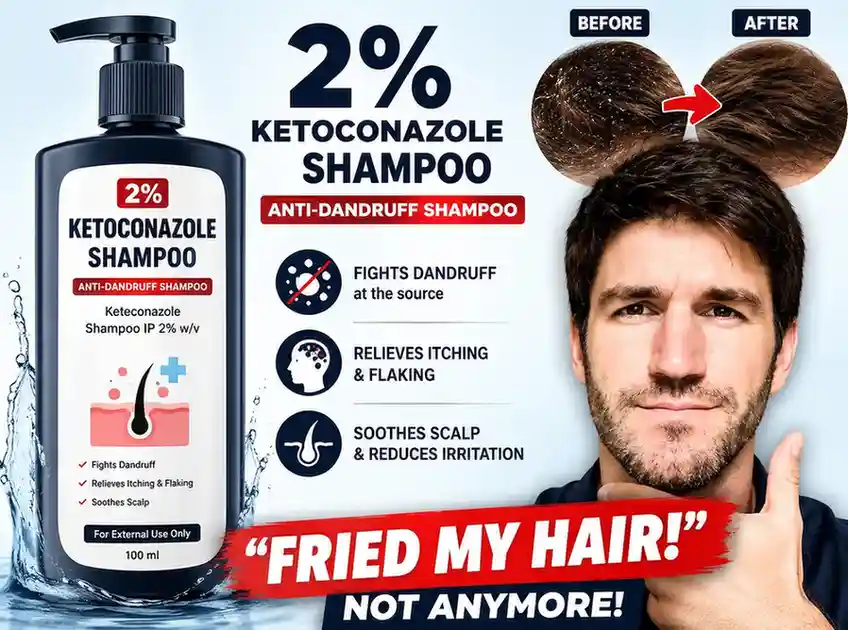
Ketoconazole shampoo is a specialized, medically-backed cleanser formulated to treat stubborn fungal infections on the scalp. Unlike regular hair products, it contains a potent antifungal agent designed to eliminate Malassezia, the microscopic yeast responsible for severe flaking and irritation. Dermatologists frequently recommend this powerful treatment to manage chronic scalp conditions effectively.
How Ketoconazole Shampoo Works on Your Scalp
This specialized treatment works by disrupting the cell membranes of fungi, stopping their growth and relieving uncomfortable symptoms. When you massage the lather into your scalp, the active ingredient targets the microscopic yeast thriving on natural oils.
- Antifungal Action: Neutralizes Malassezia yeast instantly.
- Anti-inflammatory Relief: Calms redness and stinging sensations.
- Follicle Protection: Clears debris blocking healthy hair growth.
Top Benefits of Using Ketoconazole Shampoo
Investing in your scalp health yields incredible rewards for your hair’s overall appearance and texture. Regular, directed use transforms dry, irritated skin into a clean, balanced foundation.
- Eliminates stubborn dandruff flakes completely.
- Relieves intense, persistent scalp itching.
- Reduces oily buildup around hair follicles.
- Enhances overall hair manageability and shine.
Comparison of Dandruff Treatment Options
Choosing the right scalp treatment depends on understanding how different active ingredients stack up against persistent flaking and irritation.
| Active Ingredient | Primary Target | Strength Level | Best For |
| Ketoconazole | Fungal yeast (Malassezia) | Clinical strength | Severe dandruff & seborrheic dermatitis |
| Zinc Pyrithione | Surface microbes | Moderate | Mild, occasional flaking |
| Selenium Sulfide | Cell turnover & yeast | Moderate to high | Moderate scaling & oiliness |
| Coal Tar | Skin cell production | High | Psoriasis & thick scaling |
Conditions Treated by Ketoconazole Shampoo
Medical professionals prescribe and recommend this treatment for several distinct scalp disorders that resist ordinary hair care products. Recognizing your specific symptoms helps you apply the correct remedy for lasting relief.
Seborrheic Dermatitis
This common inflammatory condition causes greasy, yellowish scales and stubborn redness. Ketoconazole quickly balances skin flora to clear these patches.
Pityriasis Versicolor
Though primarily affecting the body, fungal overgrowth can spread to the hairline. The antifungal properties clear discoloration and smooth the skin texture.
Severe Dandruff
Standard anti-dandruff formulas often stop working over time. Clinical strength antifungal washes provide a reliable alternative for long-term control.
How to Use Ketoconazole Shampoo Correctly
Achieving the best results requires following specific application steps to ensure the active ingredients penetrate the scalp effectively. Proper usage maximizes benefits while minimizing potential dryness.
- Wet your hair thoroughly with warm water.
- Apply a quarter-sized amount of ketoconazole shampoo directly to your scalp.
- Massage gently into a rich lather using your fingertips, avoiding harsh fingernail scratching.
- Let the lather sit on your scalp for three to five minutes to allow absorption.
- Rinse completely with clean water, ensuring no residue remains.
Potential Side Effects and Safety Precautions
While generally safe and highly effective when used as directed, powerful active ingredients can occasionally cause mild reactions. Knowing what to expect ensures a safe and comfortable treatment experience.
- Mild Skin Dryness: Can cause temporary dryness or oiliness changes in hair texture.
- Hair Color Alteration: Rarely affects chemically treated or gray hair if not rinsed thoroughly.
- Local Irritation: May cause slight stinging on broken or raw skin areas.
Comparing Ketoconazole with Other Antifungal Agents
Understanding how ketoconazole compares to alternatives like zinc pyrithione or selenium sulfide highlights its superior efficacy for stubborn fungal overgrowth. While over-the-counter brands offer daily maintenance, clinical-grade formulas tackle deep-seated microbes. Clinical dermatology guidelines published by the American Academy of Dermatology confirm that targeted antifungal washes yield faster clearance rates for chronic dermatitis. Furthermore, clinical trials archived in the National Institutes of Health demonstrate superior retention of scalp health over extended periods. For additional safety data and formulation standards, you can review resources provided by the U.S. Food and Drug Administration.
Tips for Maintaining Long-Term Scalp Health
Keeping your scalp healthy after clearing a fungal infection requires a smart, balanced hair care routine. Combining your medical treatment with gentle everyday habits prevents future flare-ups.
- Alternate your treatment wash with a gentle, sulfate-free daily cleanser.
- Avoid excessive heat styling that can dry out and damage scalp skin.
- Wash your hair after heavy workouts to prevent sweat and oil buildup.
- Maintain a balanced diet rich in essential fatty acids and vitamins.
Frequently Asked Questions
Can I use ketoconazole shampoo every day?
No, it is typically formulated for use only two times a week for a limited number of weeks. Daily use can cause unnecessary skin dryness or irritation. Always follow the specific instructions on your product label.
Is ketoconazole safe for color-treated hair?
Yes, it is generally safe for color-treated hair, but it can occasionally cause slight fading or dryness. Using a hydrating conditioner afterward helps protect your hair color and maintain softness.
How long does it take to see results?
Most people notice a significant reduction in itching and flaking within two to four weeks of consistent use. Complete clearance of chronic conditions may take up to eight weeks.
Can this shampoo help with hair loss?
While it is not a primary hair loss cure, treating underlying inflammation and fungal overgrowth creates a healthier environment for hair follicles. Reducing scalp irritation helps minimize shedding caused by severe dermatitis.
Do I need a prescription to buy it?
Lower-strength formulations are available over the counter, while higher-strength versions require a doctor’s prescription. Check your local pharmacy options or consult a dermatologist to find the right strength for your needs.
What should I do if my scalp gets too dry?
If you experience excessive dryness, try reducing your frequency of use or apply a gentle, moisturizing conditioner exclusively to your hair ends. Consult a healthcare professional if dryness persists or worsens.
Take Charge of Your Scalp Health Today
Living with a flaky, irritated scalp is unnecessary when proven clinical solutions are within your reach. Take the first step toward lasting comfort, confidence, and vibrant hair by adding a quality antifungal treatment to your routine today. Visit your preferred pharmacy or consult a dermatologist to find the perfect formula for your unique needs!