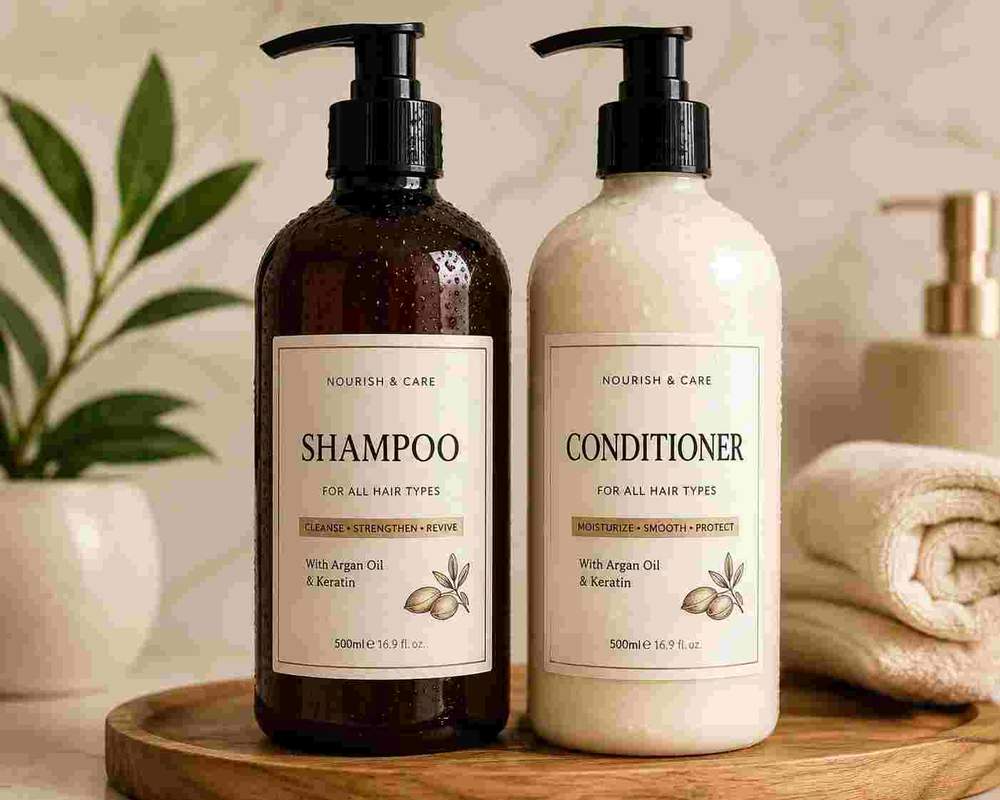
The Ultimate Guide to Shampoo and Conditioner: Transform Your Hair Care Routine
Introduction
Finding the right shampoo and conditioner feels overwhelming with countless products lining store shelves. Choosing the wrong formulas leads to dryness, frizz, and limp locks that ruin your daily confidence.
Discovering your ideal hair care routine changes everything. This comprehensive guide breaks down how to select, pair, and use the best products to achieve healthy, radiant hair effortlessly.
What is Shampoo and Conditioner?
Shampoo and conditioner form the foundational duo of any effective hair care regimen. Understanding their distinct roles helps you build a healthy foundation for your scalp and strands.
- Shampoo: Designed primarily to cleanse the scalp, removing dirt, excess oil, product buildup, and environmental impurities.
- Conditioner: Formulated to replenish moisture, smooth the hair cuticle, detangle strands, and protect against future damage.
How Shampoo and Conditioner Work Together
Shampoo and conditioner operate as a complementary team. When you wash your hair, cleansing agents open the hair cuticle to lift away debris and sebum.
Following this cleanse with a nourishing conditioner restores the hair’s natural pH balance. The formula seals the cuticle shut, locking in essential moisture while shielding each strand from daily wear and tear.
Identifying Your Unique Hair Type
Selecting the right shampoo and conditioner begins with understanding your specific hair profile. Different textures and scalp conditions require targeted ingredients for optimal results.
- Straight Hair: Often prone to oiliness, requiring lightweight, volumizing formulas.
- Wavy Hair: Needs balanced moisture and frizz control to maintain defined bends.
- Curly Hair: Thrives on rich hydration and sulfate-free cleansing to prevent dryness.
- Coily Hair: Requires intensive moisture, deep conditioning, and nourishing natural oils.
Key Ingredients to Look For
Reading product labels empowers you to choose high-quality shampoo and conditioner options tailored to your needs. Look for nourishing components backed by dermatological science.
- Hyaluronic Acid: Attracts and retains moisture for ultimate hydration.
- Argan Oil: Smooths frizz and adds brilliant shine.
- Keratin: Strengthens damaged hair shafts and improves elasticity.
- Amino Acids: Repair weak spots along the hair cuticle.
Ingredients to Avoid for Healthy Hair
Certain harsh chemicals strip your hair of essential natural oils, leading to long-term damage and irritation. Avoiding these additives keeps your scalp balanced and healthy.
- Sulfates (SLS/SLES): Aggressive detergents that cause excessive dryness and color fading.
- Parabens: Chemical preservatives that can irritate sensitive scalps.
- Heavy Silicones: Create buildup that weighs hair down and blocks moisture absorption.
Step-by-Step Guide: How to Wash Your Hair Properly
Mastering your washing technique maximizes the benefits of your shampoo and conditioner. Proper application prevents breakage and extends the life of your hairstyle.
- Thoroughly Wet Hair: Saturate your hair completely with warm water to open the cuticles.
- Apply Shampoo to Scalp: Focus the shampoo primarily on your roots and scalp, massaging gently with your fingertips.
- Rinse Completely: Ensure all soap is washed away before moving to the next step.
- Apply Conditioner to Ends: Distribute conditioner from mid-length to the ends, avoiding the direct scalp area.
- Rinse with Cool Water: Finish with a cool rinse to seal the cuticle and boost shine.
Comparing Hair Care Formulas: A Quick Reference
| Hair Concern | Recommended Shampoo Type | Recommended Conditioner Type | Key Ingredients |
|---|---|---|---|
| Dry & Damaged | Sulfate-Free Hydrating | Deep Moisture Repair | Argan Oil, Keratin |
| Fine & Oily | Volumizing & Clarifying | Lightweight Balancing | Panthenol, Lemon Extract |
| Color-Treated | Color-Protecting | Nutrient-Rich Shield | UV Filters, Amino Acids |
| Curly & Frizz-Prone | Smoothing Cleanser | Intense Curl Definition | Shea Butter, Coconut Oil |
Common Hair Washing Mistakes to Avoid
Even with a premium shampoo and conditioner, poor habits compromise your hair health. Avoiding these frequent missteps protects your investment in quality products.
- Washing Too Frequently: Strips natural oils, triggering your scalp to produce excess sebum.
- Using Water That Is Too Hot: Opens cuticles too aggressively, causing frizz and color loss.
- Applying Conditioner to the Scalp: Weighs hair down and makes roots look greasy quickly.
- Skipping Heat Protectant: Exposes freshly washed hair to thermal damage from styling tools.
Expert Tips for Maximizing Hair Health
Maintaining gorgeous hair requires consistency and proper daily habits. Incorporating expert recommendations elevates your hair care routine to professional standards.
- Trim your ends every 8 to 12 weeks to prevent split ends from traveling up the hair shaft.
- Sleep on a silk or satin pillowcase to reduce friction, breakage, and overnight frizz.
- Incorporate a weekly deep conditioning treatment or hair mask for extra restoration.
- Protect your hair from harsh UV rays and chlorine when swimming or spending hours outdoors.
Frequently Asked Questions
What is the main difference between shampoo and conditioner?
Shampoo is designed to clean the scalp and hair by removing dirt and oil, while conditioner restores moisture, smooths the cuticle, and detangles strands.
Should I use the same brand of shampoo and conditioner?
While not mandatory, using a matching shampoo and conditioner from the same product line ensures the formulas complement each other and target your specific hair goals effectively.
How often should I wash my hair?
Most people benefit from washing their hair 2 to 3 times per week, though fine hair may require more frequent washing and curly hair less.
Can I use conditioner on my scalp?
Applying conditioner directly to your scalp can weigh hair down and cause greasiness; focus application strictly from mid-lengths to ends.
Are sulfate-free products better for hair?
Sulfate-free formulas are generally gentler, making them ideal for color-treated, dry, or sensitive hair types as they do not strip natural oils.
How do I know if a shampoo and conditioner are working?
Healthy hair feels soft, manages easily, retains shine, and exhibits minimal breakage after consistent use over a 2 to 4-week period.
Conclusion
Achieving vibrant, healthy hair relies on choosing the right shampoo and conditioner tailored to your unique needs and practicing proper wash techniques. Elevate your daily routine today by investing in quality formulas and mindful hair care habits. Take the first step toward your best hair yet—explore our recommended product pairings and transform your locks now!